
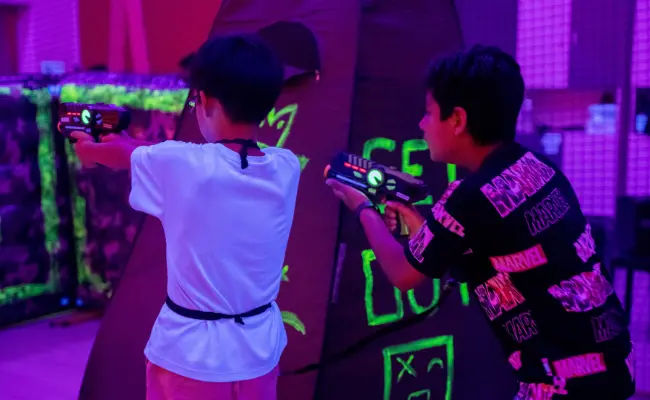
Most people don’t look for bonding games for students in Singapore because they want something “fun.”
They’re usually trying to solve a quieter problem.
A class that doesn’t talk to each other.
A cohort split into cliques.
A group that works side by side, but never together.
In those moments, the real question isn’t what game to run, it’s how to create shared experiences that help students feel safe, involved, and willing to participate without forcing anyone out of their comfort zone.
This guide looks at bonding games from a practical, on-the-ground perspective:
how students experience them, how facilitators should choose them, and why some activities build connection while others fall flat.
Quick Takeaways Before You Dive In
Bonding games work best when students understand the goal, not just the rules.
Small teams outperform large free-for-alls in engagement and learning.
Activities should reward cooperation, not spotlight individuals.
Clear structure reduces anxiety and increases participation.
Reflection turns “fun” into learning students remember.
Why Bonding Games Matter More Than Most Teachers Expect
In many schools, students spend hours together without meaningful interaction.
They sit near each other.
They share worksheets.
They listen to the same instructions.
But very little requires them to coordinate, decide, or rely on one another.
Well-designed bonding games change that dynamic. Instead of passive proximity, students experience:
- Shared problem-solving
- Mutual responsibility
- Small wins achieved together
From running structured student sessions, we consistently see that connection happens fastest when students are given a task that can’t be completed alone. Trust doesn’t come from talking about teamwork, it grows when students practise it under low-risk conditions.
What to Consider Before Picking Any Bonding Game
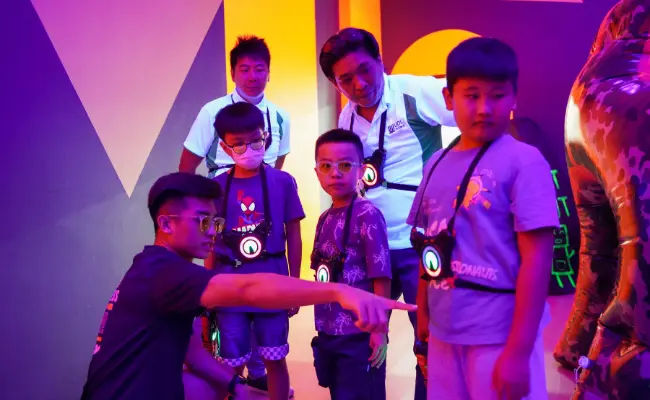
Choosing activities randomly is one of the biggest reasons student bonding sessions underperform. Before locking anything in, it helps to think through how students will actually interact during the game.
Group Size and Class Dynamics
Most student activities work best in teams of four to six. This size allows everyone to speak, contribute, and feel seen without pressure.
Larger classes should run multiple teams simultaneously rather than one large activity.
Energy vs Focus
Not every class benefits from high-movement games.
Some groups open up through physical activity.
Others engage better through discussion, building, or problem-solving.
Matching the activity to the group’s baseline energy makes a huge difference.
Psychological Safety
Bonding fails when students feel exposed.
The strongest games allow quieter students to contribute through thinking, observation, or coordination, not just speaking or performing.
Learning Beyond the Game
The most effective bonding games develop transferable skills:
communication, cooperation, patience, and accountability, not just excitement.
Bonding Games That Consistently Work for Students
Rather than ranking activities, it’s more useful to understand when each format works best and what it teaches students.
1. Circle-Based Icebreakers for Early Trust
Simple group icebreakers are often underestimated.
Standing or sitting in a circle removes hierarchy and creates shared visibility. When prompts are light and responses are supported by the group, students feel less pressure to “get it right.”
These activities work especially well for:
- Primary school students
- New classes or orientation groups
- Short sessions with limited setup
Because everyone participates together, students feel supported rather than singled out.
2. Team Puzzle and Logic Challenges
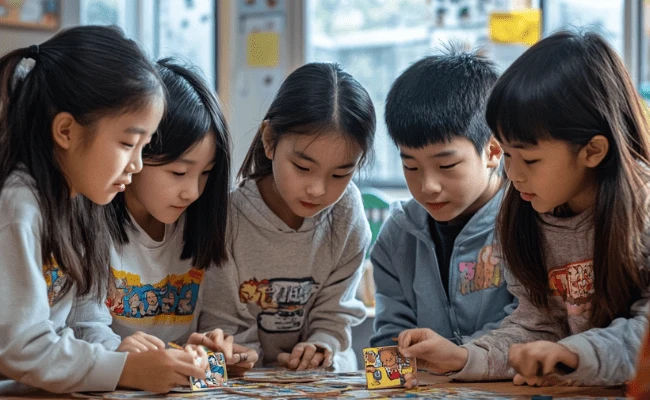
Puzzle-based bonding games shift attention away from personalities and towards the task.
Students must:
- Discuss ideas
- Listen to alternatives
- Test solutions together
Success comes from combining inputs, not from having the loudest voice. This makes puzzle formats particularly effective for mixed-confidence groups and classrooms with diverse learning styles.
3. Structured Team-Based Laser Tag Formats
.webp)
When laser tag is adapted for students, the focus shifts from individual scoring to mission-based teamwork.
Instead of “who wins,” teams work towards shared objectives:
- Protecting teammates
- Coordinating movement
- Communicating under time pressure
From experience, this format resonates strongly with upper primary and secondary students who enjoy physical activity but still benefit from clear structure and rules.
It’s also a practical option for schools looking for budget-conscious bonding activities that still feel impactful.
4. Amazing Race–Style Group Challenges
Station-based Amazing Race challenges allow large cohorts to bond without overcrowding.
Each team operates independently, rotating through tasks that require:
- Planning
- Delegation
- Execution
Because teams move at their own pace, students naturally take ownership of decisions. This format blends movement, thinking, and communication, making it suitable for outdoor environments or extended programmes.
5. Creative, Hands-On Group Activities
Creative bonding activities remove the pressure of competition entirely.
Students collaborate on:
- Building
- Designing
- Creating something tangible
These formats work particularly well indoors and are ideal for groups that may resist competitive games. Presenting outcomes together helps students practise communication in a low-stakes, supportive setting.
How to Structure a Student Bonding Session That Sticks
A successful bonding session isn’t just about the activity, it’s about the flow.
Warm-Up
Short, simple interactions that lower social tension and get students comfortable engaging.
Main Activity
One structured team-based task where success depends on cooperation rather than individual performance.
Reflection
A brief conversation about what worked, what didn’t, and how teammates supported each other.
This final step is where learning becomes explicit and transferable beyond the game itself.
Choosing Bonding Games by Age Group
Primary School Students
Younger students respond best to activities that are:
- Visual
- Cooperative
- Low-pressure
The goal is participation, not performance. Shared responses and group actions help children feel safe contributing.
Secondary School Students
Older students enjoy structure and light strategy.
Games that introduce roles, accountability, and shared objectives help them practise leadership and teamwork without making things feel childish.
For groups that enjoy controlled competition, team-based formats like archery tag sessions can also work well when rules and safety are clearly defined.
Tertiary and Pre-University Students
Tertiary and pre-university students tend to engage best with challenges that reflect real-world collaboration. At this stage, your team dynamics matter more than novelty, and students expect activities to be purposeful rather than purely playful.
Formats that involve planning, decision-making, and adaptability can be especially effective. When students work in groups of varying roles, they learn how a team coordinates under time pressure. Activities inspired by corporate-style challenges or virtual collaboration formats allow students to play out realistic scenarios while developing leadership and accountability.
If you want to stretch these students further, structured challenges where they have a team to plan, execute, and reflect together work well. You can use mission-based tasks with a clear objective on a timeline, where facilitators ask them to make decisions collectively and adapt as conditions change. This approach is a great way to prepare students for teamwork beyond school, where communication and coordination are essential.
Closing Perspective
Bonding games are a great deal more than activities designed to pass time. When structured properly, it is one of the most effective ways to create a shared experience that strengthens trust and communication.
The right bonding activity helps students understand how the number of individuals in a group affects outcomes, and why working with the rest of their classmates matters. Instead of focusing on who performs best, this game format encourages students to support one another and take responsibility for the group outcome.
If you want to plan a student bonding programme that delivers lasting impact, focus less on what looks exciting at the surface. Ask whether the activity allows students to play meaningful roles, practise collaboration, and reflect on a shared challenge. That is a great way to help a class become confident, connected, and willing to work together.
FAQs About Team Building Activities for Students
Why are team building activities a great way for students to bond?
Team building activities are a great way to help students get to know each other through shared experiences rather than forced interaction. When students work as a team, they practise communication, cooperation, and trust in a natural setting. This approach allows your students to feel included while learning how to support the rest of the team.
What types of team building activities work best for students?
The most effective team building activities for students include simple icebreakers, problem-solving challenges, and team building games that encourage participation from everyone. Fun team building activities work best when students have to rely on group members to succeed, rather than compete individually.
How do building activities for students encourage teamwork?
Building activities for students require participants to come up with ideas, test solutions, and adjust strategies as a team. Because they have to collaborate to complete this activity, students naturally develop communication skills and understand the value of team work.
Are team building activities suitable for shy or quiet students?
Yes. Well-designed team building activities are inclusive and allow students to contribute without being singled out. Many activities ensure the rest of the team supports one another, so quieter students can participate comfortably and still feel like a team.
How do team building games help students get to know each other?
Team building games are a fun way to help students know each other beyond surface-level interaction. When students work together, solve challenges, or reflect as a group, they begin to know each other through shared effort rather than pressure.
What is a simple team building activity teachers can use in class?
A classic team building activity is to stand in a circle and complete a shared task. Activities where students stand in a circle and respond together help reduce anxiety and encourage participation. Teachers can use these formats for a quick bonding session in the classroom or hall.
How do teamwork activities improve communication skills?
Teamwork activities create situations where students have to listen, explain ideas, and make decisions together. Over time, this helps strengthen communication skills and shows students how their actions affect the other members of the team.
Can team building be done virtually?
Yes, virtual team building can work well for older students or hybrid learning environments. Online formats still require students to come up with solutions together and engage as a team, making them useful when physical activities are not possible.
What are the benefits of team building for students?
The main benefits of team building include stronger relationships, improved collaboration, and better classroom dynamics. Team building activities help students feel comfortable contributing, supporting the rest of their classmates, and working toward shared goals.
How long should a team building activity last?
Most sessions range from 60 to 120 minutes, depending on the activity type and group size. Shorter activities may focus on one game, while longer sessions allow time to reflect as a group and reinforce learning.